#589
THU, OCT 27, 2022
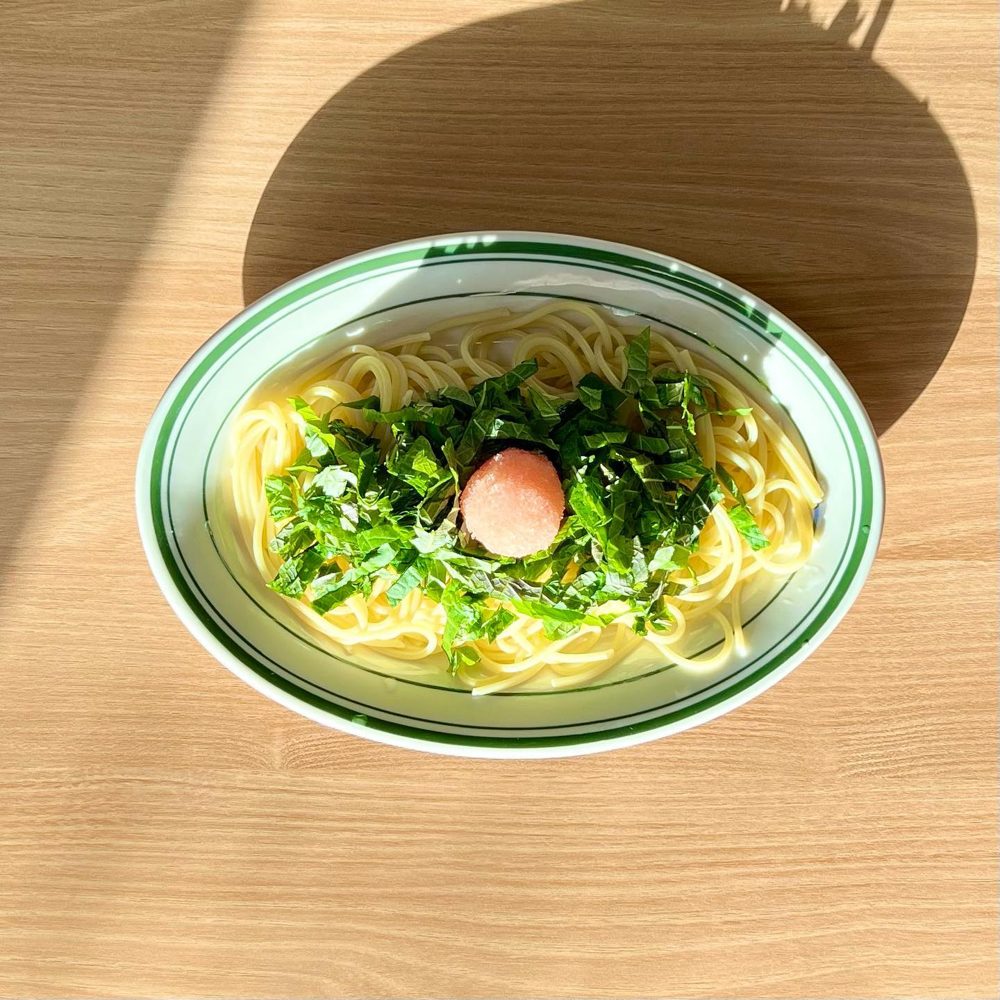
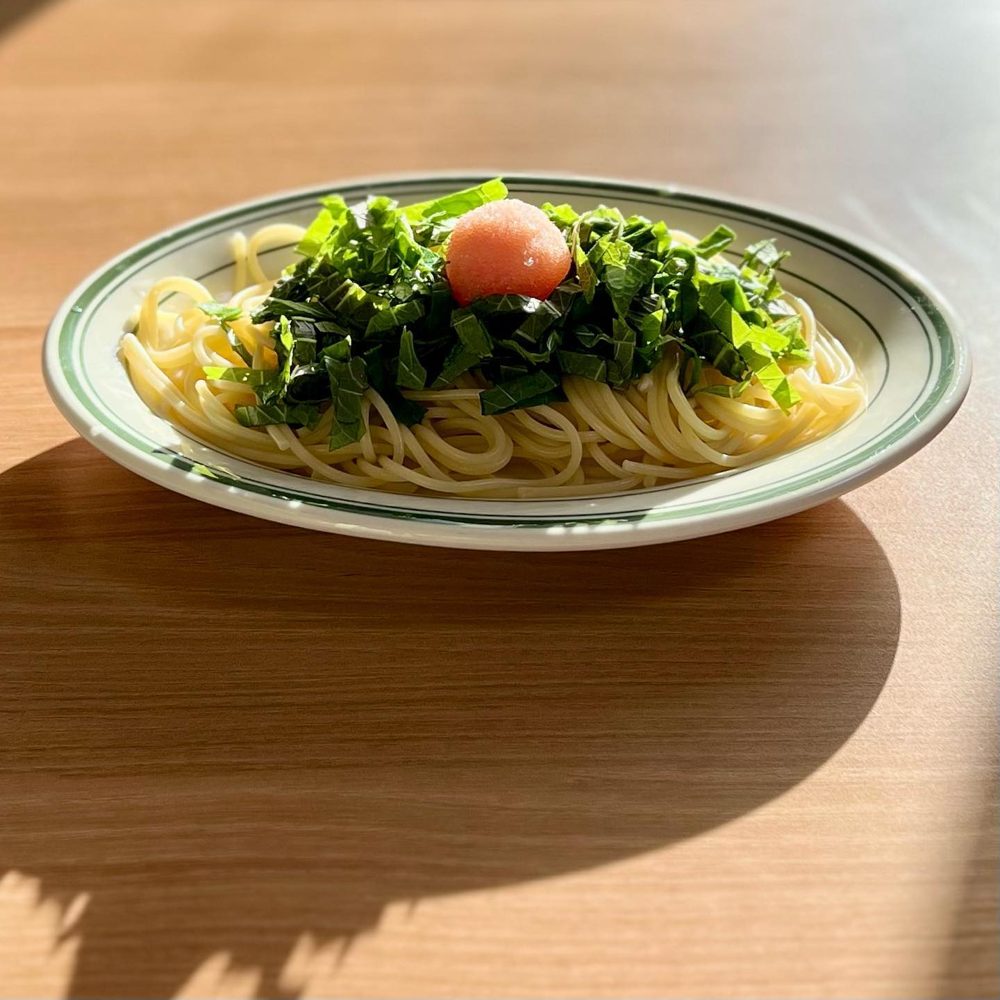
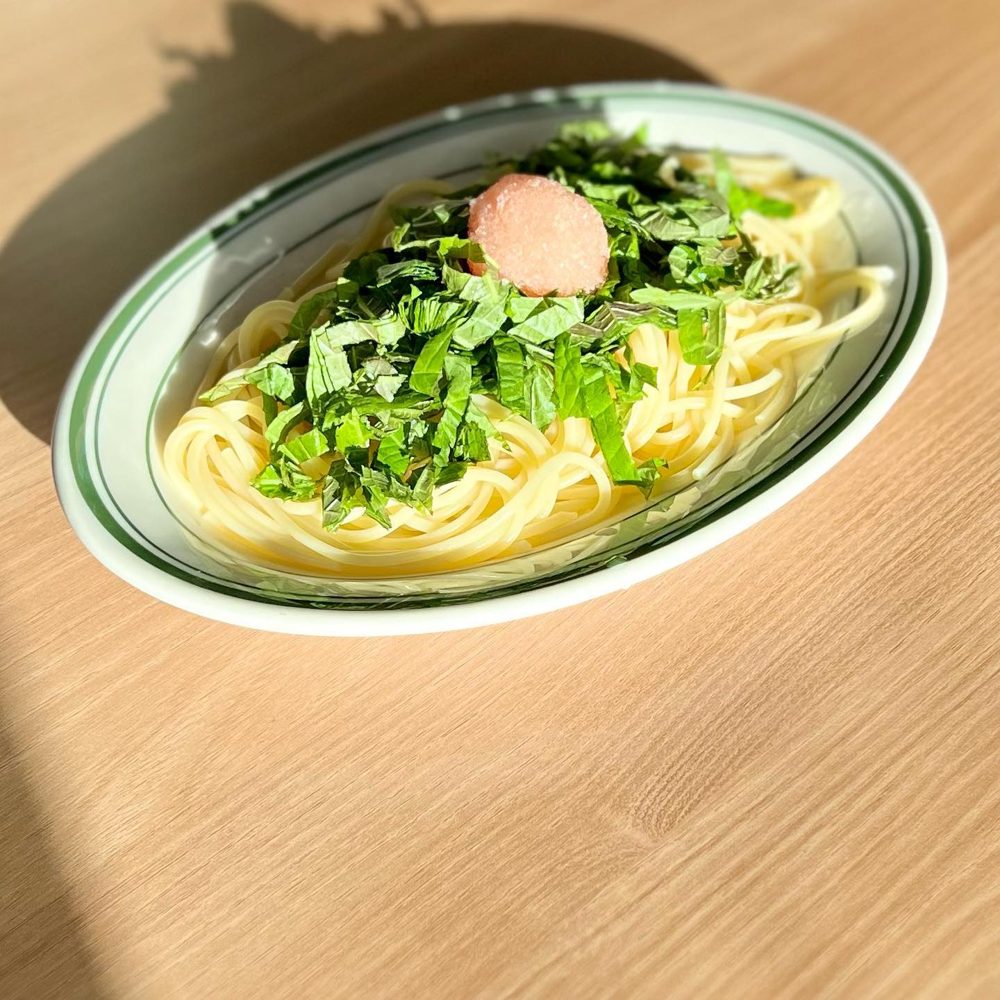
Mentaiko Perilla Oil Cold Pasta
Notes
20221027, #breakfastdiary 580, 5°C/cloudy at times, 16min/exercise
Bold text draws the eye within a sentence, so it's conventionally used to mark and emphasize titles, subtitles, and list items - though there's no hard rule about it. Italics have somewhat clearer conventions. Like bold, it's sometimes used for emphasis, but it's mainly reserved for marking titles of books, films, newspapers, magazines, periodicals, albums, TV programs, and works of art. On top of that, there's a long-standing convention of italicizing foreign words that appear within English text.
(Robert Fouser, Italics in English and Linguistic Inclusivity)
Beyond that long-standing rule, there's apparently a recent argument that, since it's getting harder to draw a clean line between foreign words and loanwords, English should stop distinguishing bold from italics altogether.
That's a reasonably persuasive argument from the standpoint of linguistic inclusivity, of course.
But on the breakfast table, bold is non-negotiable.
Boil the pasta in water (there's a soy-based dressing coming, so no real need to add salt), then rinse in cold water.
Top with a mountain of finely chopped perilla leaf and mentaiko (today's bold text on the table), with the roe picked clean out of its skin.
Soy sauce and tsuyu 1:1 with a perilla oil dressing - #perillaoilpasta
This is @house.bonjour's recipe.
Ingredients
Check items off while grocery shopping - it’s remembered here.
Steps
- 01
Boil the spaghetti in water, rinse in cold water, and drain well.
- 02
Julienne the perilla leaves.
- 03
Pick the mentaiko roe out of its skin and shape it into a round.
- 04
Plate the spaghetti from step 1, top with the perilla leaf and mentaiko, and pour over the dressing. Toss well before eating.
Other years, Oct 27
See all →

Original Credit
Inspired by @house.bonjour