#541
Tomato Mint Salad
Notes
20220902, #breakfastdiary 532, 21°C/clear, 22 min/exercise
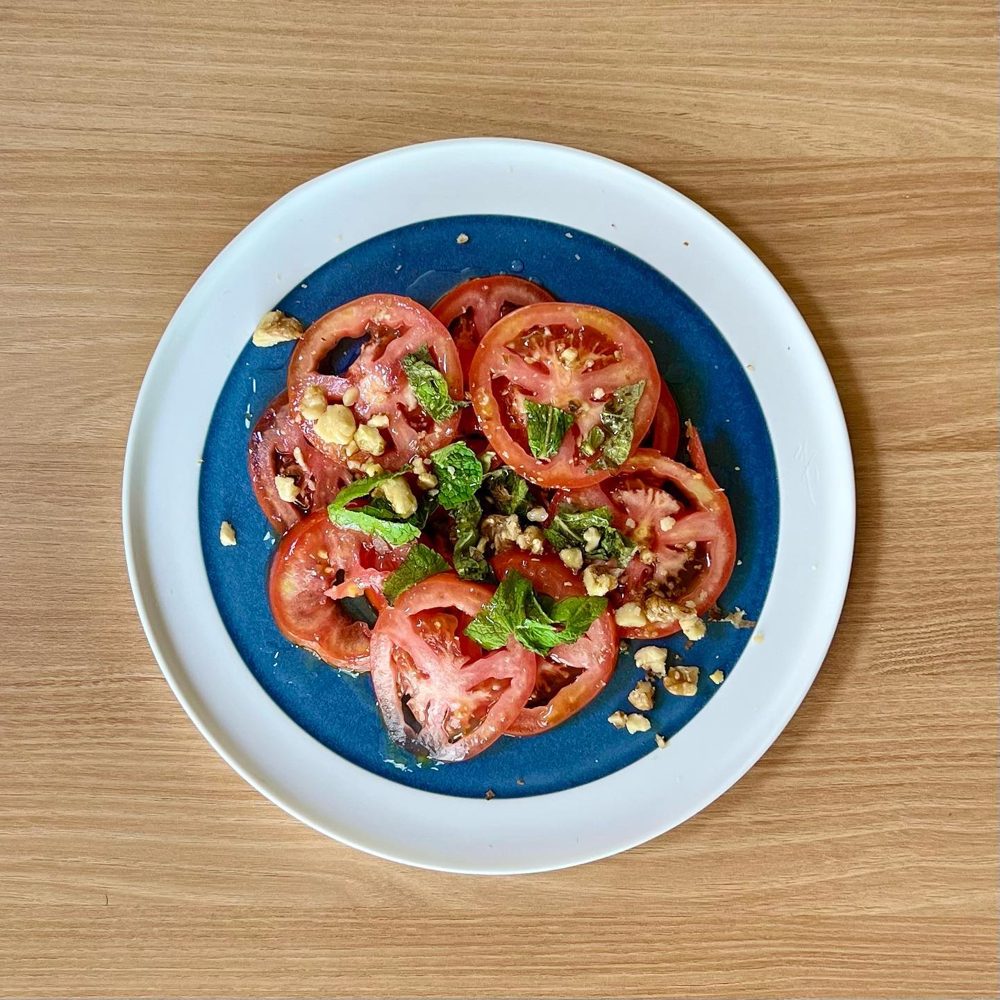
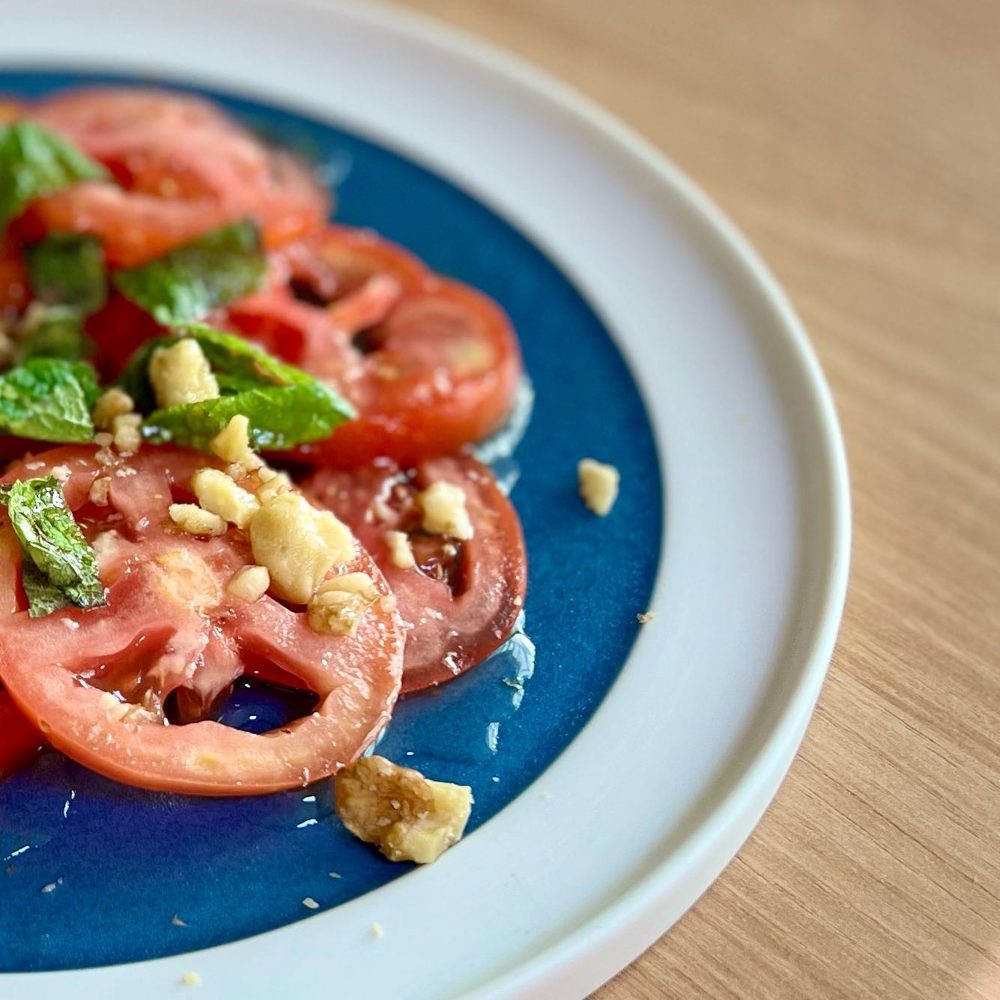
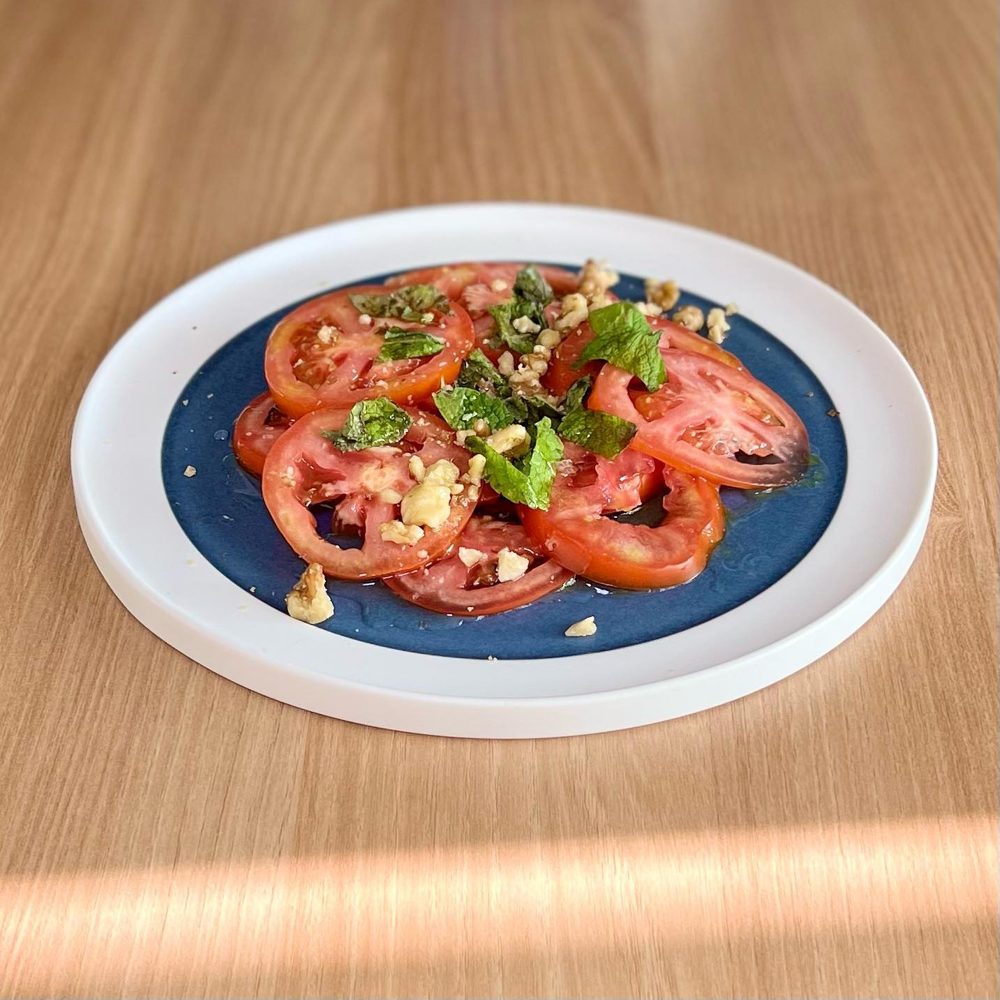
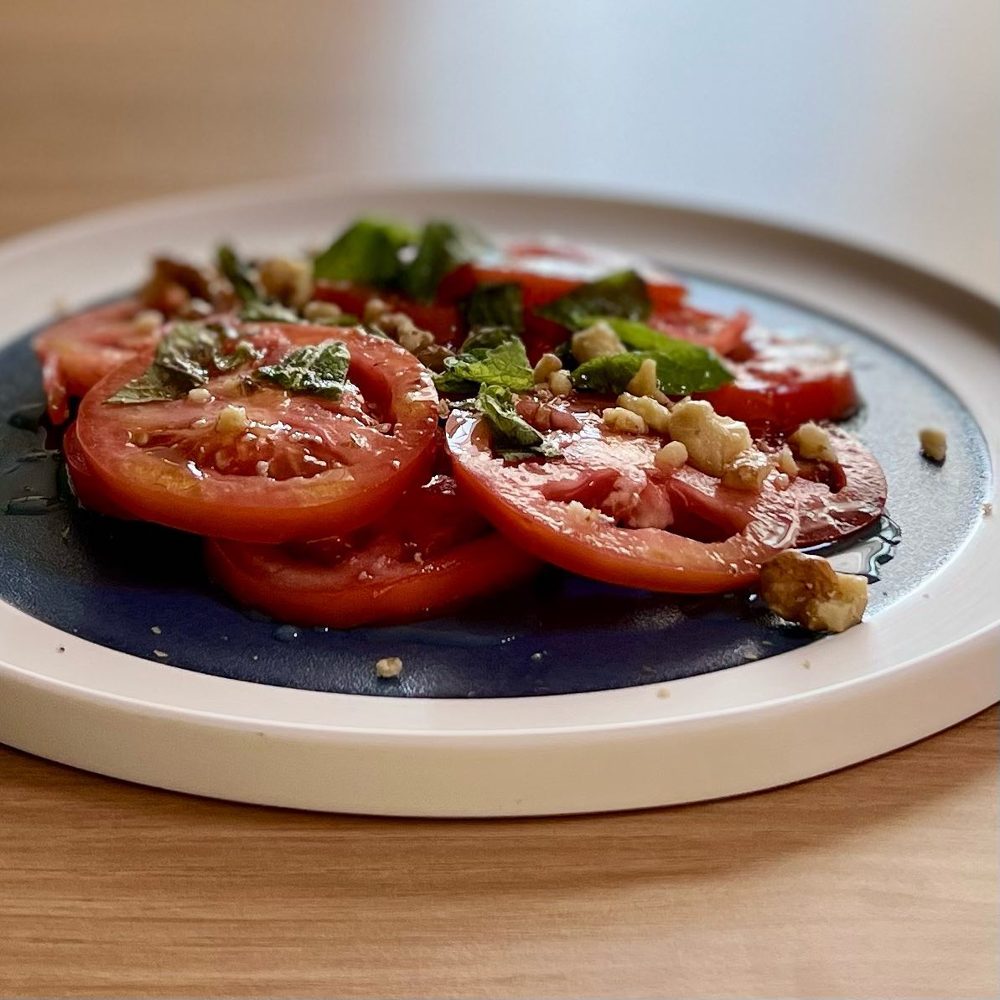
Tomato with apple mint, walnuts, olive oil, and white balsamic for a touch of sweetness — #tomatosalad
Even when observing celestial bodies, snap judgments like that won't do. You have to look closely at many different facets. But within a mayfly-like human lifespan, it's hard to survey the billions-of-years-long life of a star in full. All we can get is a snapshot of what a star is like 'today,' at this one point in its life. Still, even a snapshot like that is easier to understand when viewed across multiple wavelengths. Many of the nebula photos you see online are false-color composites, shot across visible light, infrared, ultraviolet, X-ray, and other wavelength bands. Looking at only one wavelength is like the blind men and the elephant. To bring out the structure inside and around a nebula, and its many components, astronomers use exactly these kinds of multi-wavelength composite images.
(Shim Chae-kyung, 'The Breadth of Spectral Possibility')
If you think of a single human being as a single universe, containing within it a whole spectrum the person themselves may not even be aware of, then declaring 'this person is like this, that person is like that' starts to look like a fairly risky thing to do.
Ingredients
- 2 tomatoes
- mint
- 1T walnuts
- pepper
- dressing (2T olive oil, 1T white wine vinegar, 1t wholegrain mustard)
Steps
1. Slice the tomatoes thinly, crosswise.
2. Add mint to bring out the tomato's color, chopped walnuts, pour over the dressing, and top with a few more walnuts.