#596
Marinated Tomato Pasta Marinated Tomato Pasta
Notes
20221105 #breakfastdiary 587, 7°C/clear, 24 min/workout
In Korean, the verb doesn't come right after the subject — it comes at the very end of the sentence. So when a sentence gets long, the gap between subject and verb widens, and it becomes confusing to tell what's being said about what. That's why, to make Korean easier to follow, you need to insert a verb partway through that clarifies the subject — deliberately narrowing that gap. Which is why it's better to write Korean in short sentences.
Yoon Yeo-kyung, Why Should You Write in 'Short Sentences'? Because of How Korean Is Structured
Over the past two or three years, the writing I do every day but find harder than expected is translating the process of making breakfast into words. Maybe it's because the subject and verb drift so far apart?
The marinated tomatoes I made and put in the fridge a couple of days ago seem to have aged just right.
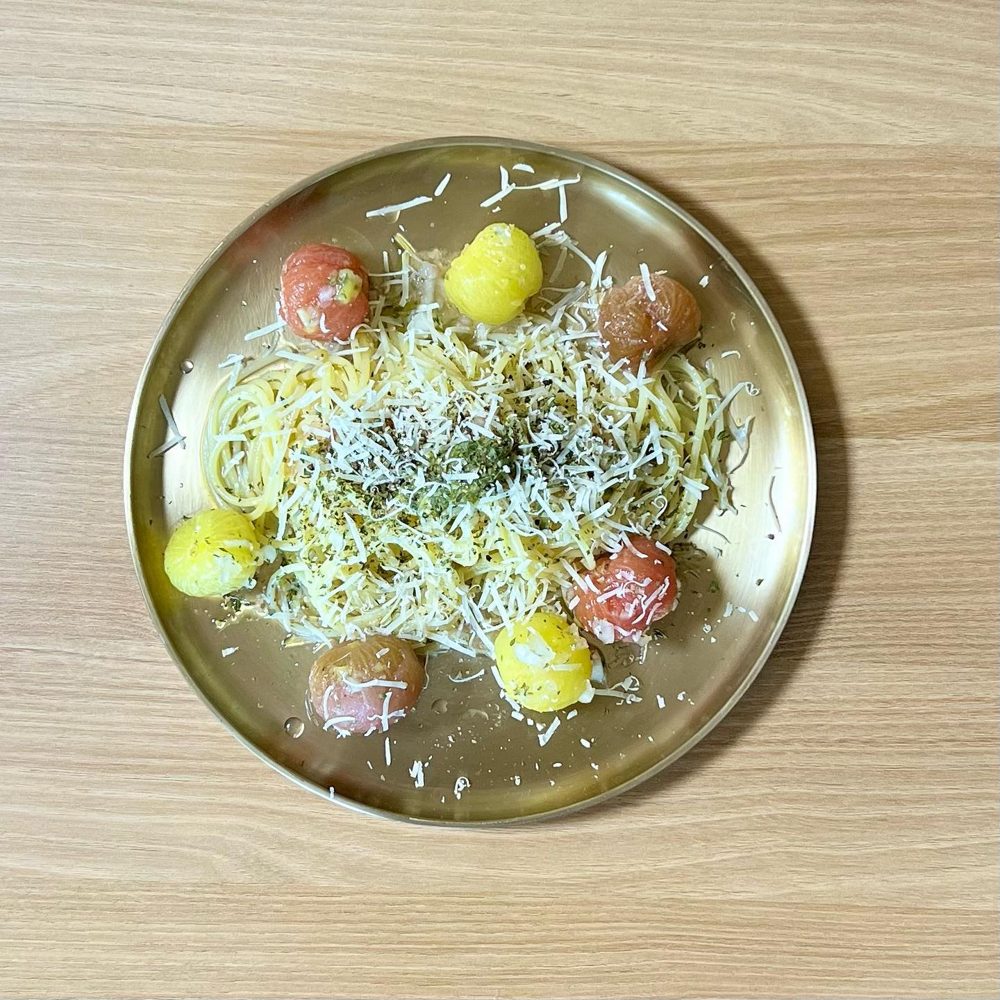
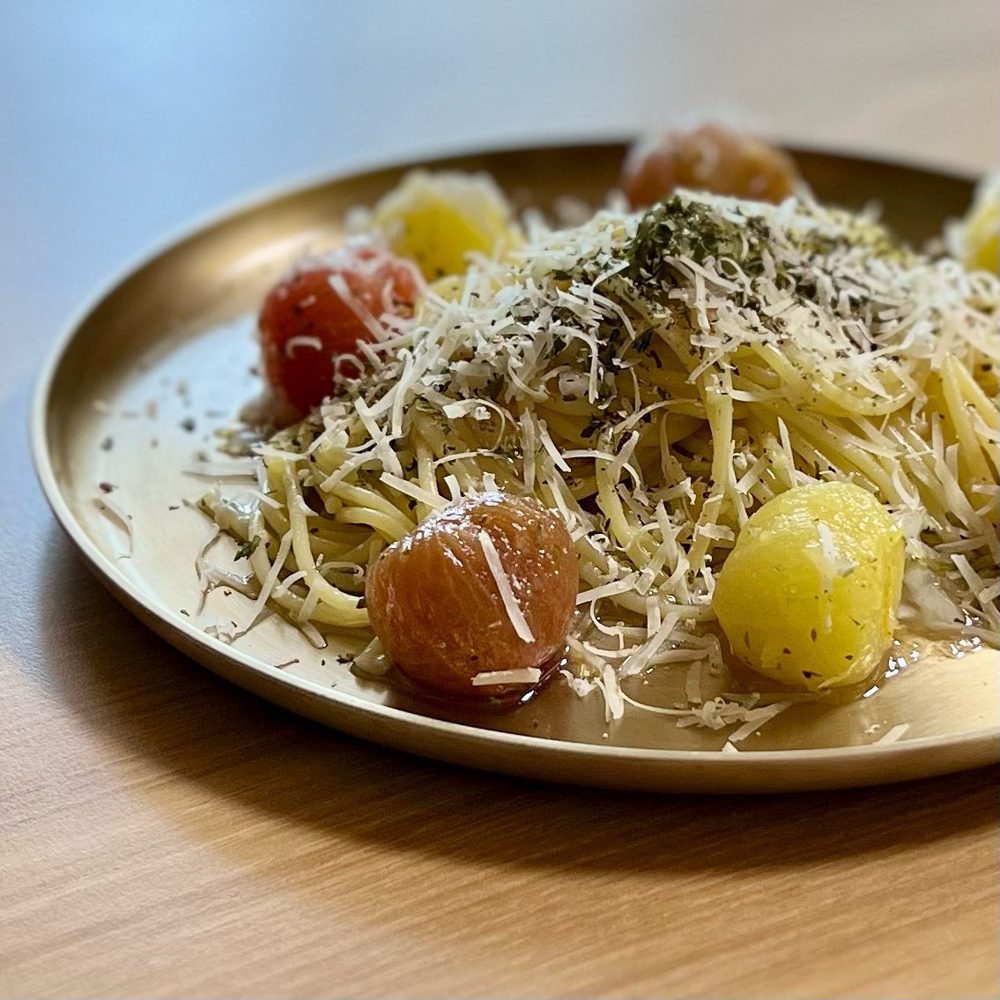
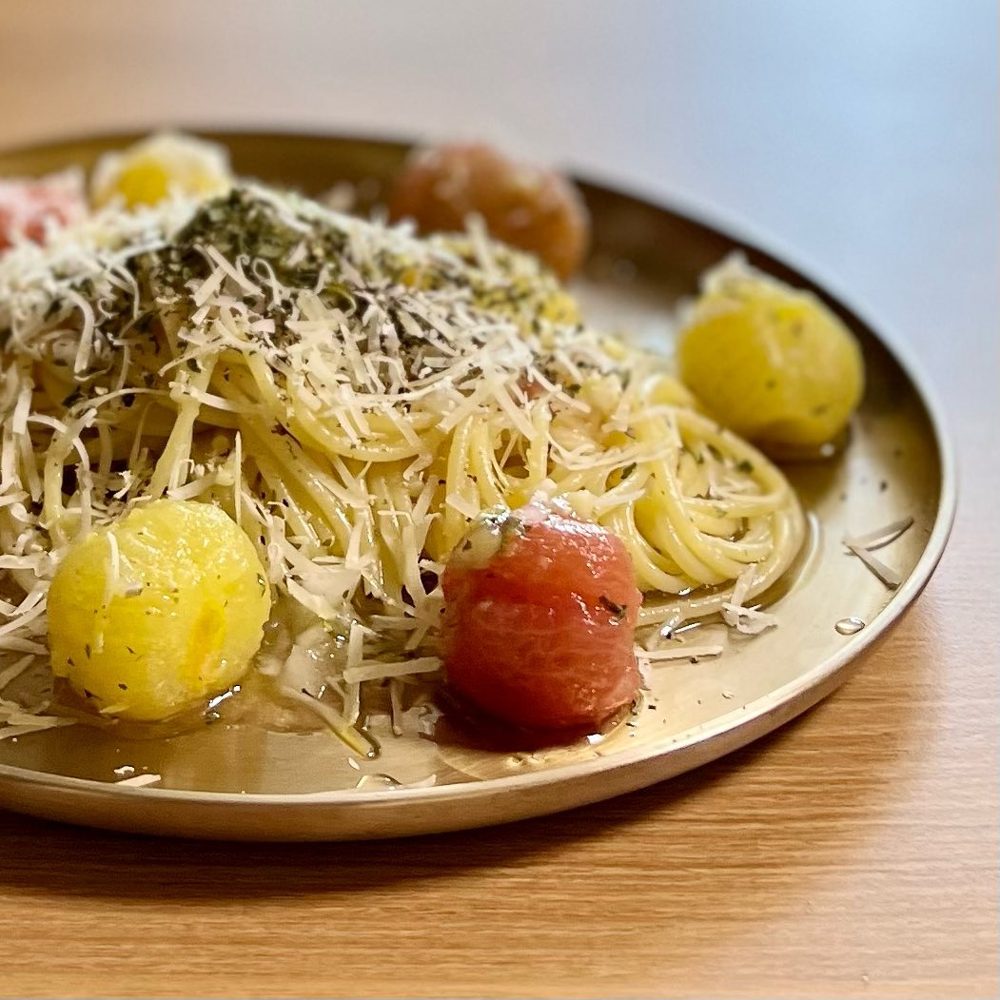
Boil pasta in water, toss it in olive oil, plate it, and top with the marinated tomatoes. Finish with basil pesto, a good grating of parmesan cheese, and pepper, pepper, pepper. #marinatedtomatopasta
#marinatedtomatoes: 3 parts olive oil, 2 parts white balsamic, 2 parts oligosaccharide syrup, 2 parts lemon juice, salt and pepper, with half an onion, minced, mixed in.
Grief from loss travels through a journey of denial and anger, bargaining and despair, and finally acceptance. At the far end of that long journey, once you reach acceptance, it can feel like everything might return to its place — but that place is already different from where the journey started.