D-17
Han Seong-woo, Becoming the Master of Your Words, and Hangul
Notes
20210126
These days, young people are trying something new. In the past, a word might have been coined from Chinese characters, but now people build words purely out of Hangul. If you needed a word for 'a meal eaten at home,' someone comfortable with Chinese characters might have coined gasik (家食) or gaban (家飯), but people today simply shorten it to jipbap ('house rice'). Likewise, 'eating alone' or 'traveling alone' might once have been dokban (獨飯) or dokhaeng (獨行), but now they're simply honbap and honhaeng. (...) It's a clever choice that really understands what Hangul is good at.
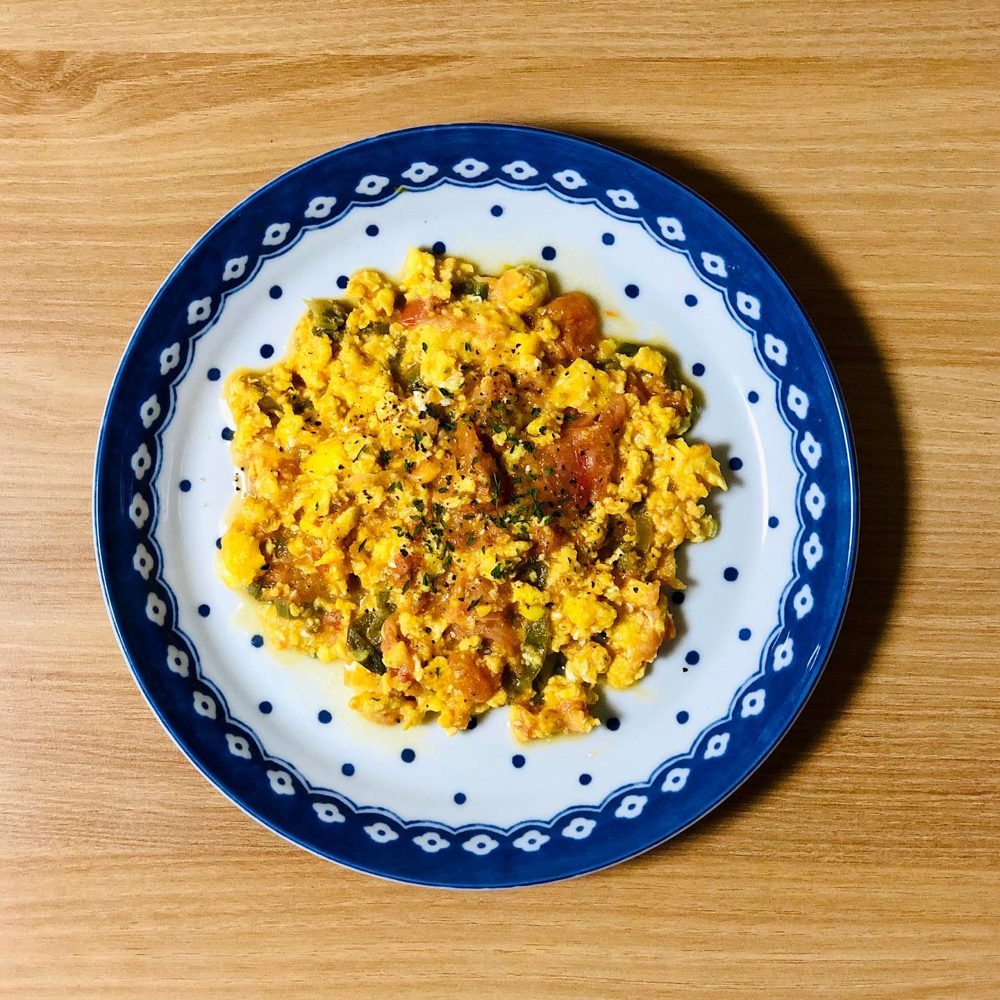
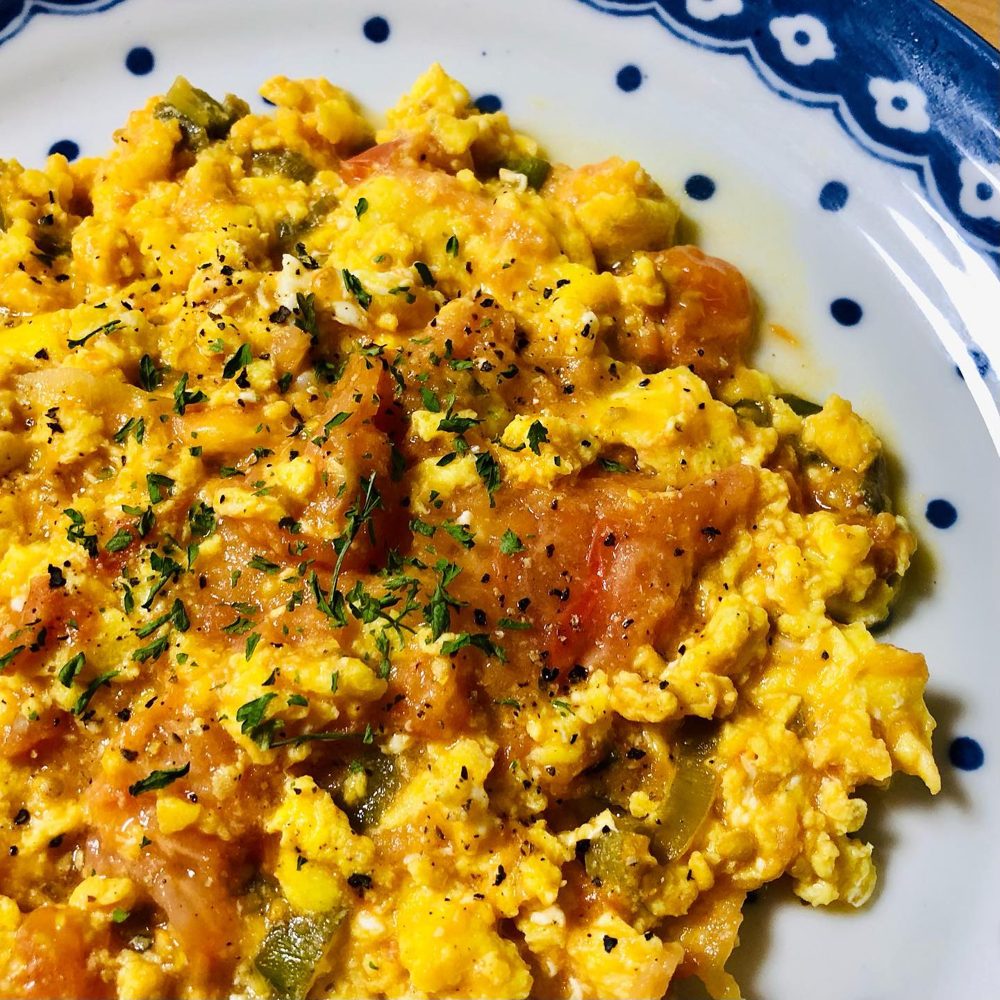
Thanks to Hangul, and to how self-sufficient Hangul is, today's breakfast has a name — otherwise I might have had to call it xihongshi chao jidan.
-Heat olive oil in a pan, sauté finely sliced scallions briefly, then roughly chop tomatoes and blanch them lightly. (Set both aside.)
-Beat 2 eggs with a little sugar and salt, start making scrambled eggs, then fold in the blanched tomatoes.
*Tomato and scrambled egg, known in Chinese as xihongshi chao jidan (西紅柿炒雞蛋, pinyin: xīhóngshì chǎo jīdàn, Cantonese: sāi hùhng chíh cháau gāi daahn), is a classic Chinese dish.